
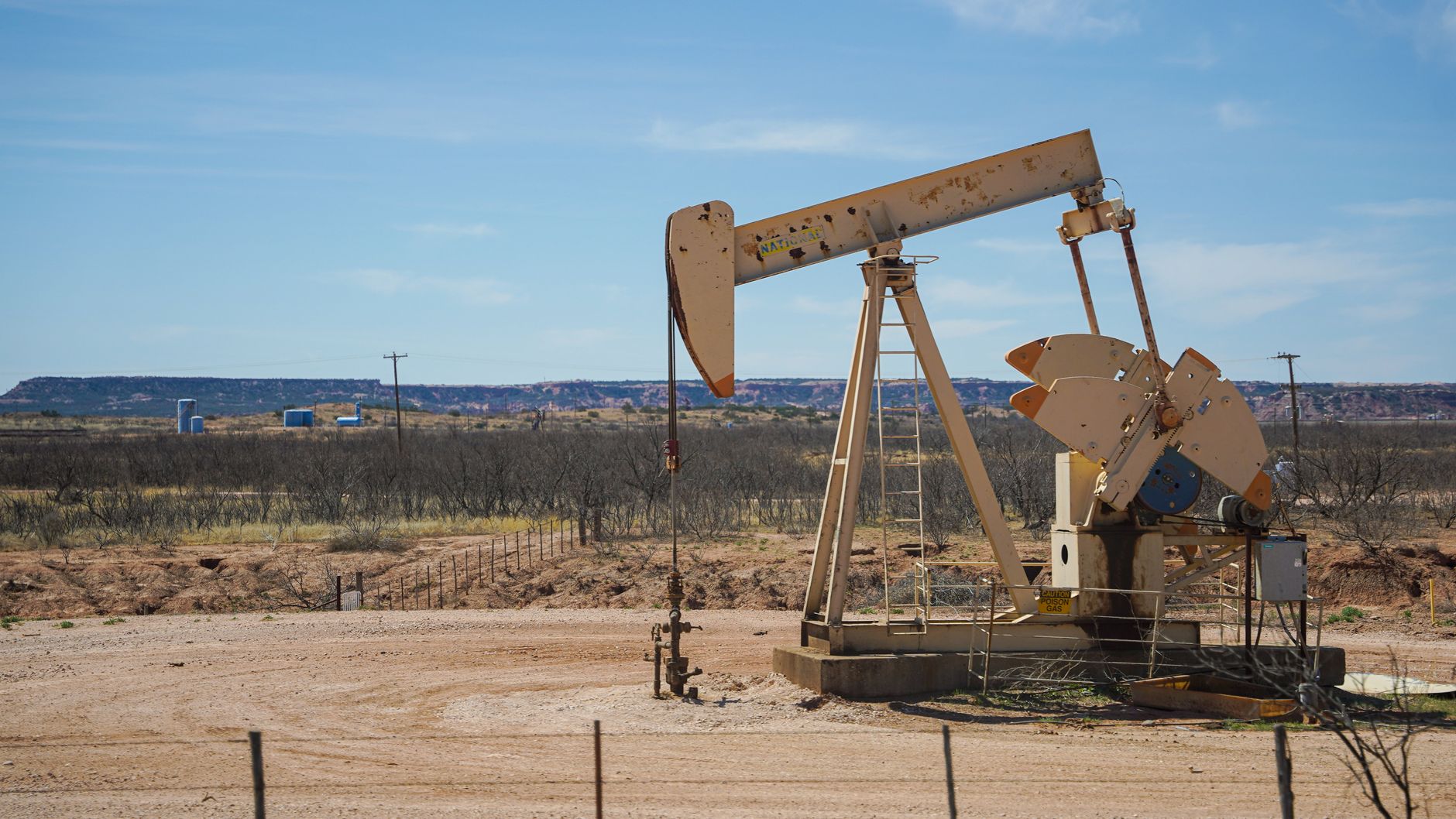
Rising crude inflation is causing significant turmoil in the markets, leading to a tumble in both Sensex and Nifty. Investors are reacting to renewed inflation concerns.
Market Overview: Sensex and Nifty Performance
The recent surge in crude oil prices has significantly impacted equity markets, leading to a notable decline in both the Sensex and Nifty index. As rising crude inflation continues to spark concerns among investors, market volatility has intensified.
On the trading floor, the Sensex witnessed a sharp drop, reflecting the anxiety surrounding inflationary pressures. Analysts have pointed out that:
- The Sensex fell by over 500 points, closing at a significant low.
- Nifty also experienced a downturn, losing critical support levels.
- Sectoral indices, particularly those linked to energy and consumer goods, faced severe selling pressure.
Market participants are grappling with the potential economic fallout as rising crude inflation could lead to increased production costs and diminished consumer spending power. This scenario raises concerns about the sustainability of corporate profit margins.
Experts suggest that investors should remain cautious as they navigate through these turbulent market conditions. The focus is now on global oil supply dynamics and how they could influence domestic inflation rates in the coming months.
In summary, the current market sentiment is heavily influenced by the implications of rising crude inflation, signaling a challenging period ahead for both the Sensex and Nifty.
Understanding Crude Oil Prices
The fluctuation of crude oil prices plays a significant role in shaping global economic dynamics. When crude oil prices rise, it often leads to increased costs for various goods and services, contributing to inflationary pressures. Understanding the factors that influence these prices is essential for investors and market analysts alike.
Several key elements drive crude oil prices, including:
- Global Demand: Increased industrial activity and transportation needs can push up demand for crude oil, resulting in higher prices.
- Geopolitical Tensions: Conflicts in oil-rich regions often disrupt supply chains, causing prices to spike.
- Production Levels: Decisions made by OPEC and other oil-producing nations regarding output can significantly affect market prices.
- Currency Fluctuations: Since oil is traded in U.S. dollars, changes in currency value can impact the price of crude oil globally.
Currently, rising crude inflation is a pressing concern for investors, as it poses risks to stock market stability. The increasing costs of oil have historically correlated with declines in major indices like Sensex and Nifty. As these indices react to inflation concerns, the overall market sentiment tilts towards caution.
Inflation’s Impact on Investments
The recent surge in crude oil prices has reignited inflation concerns, significantly impacting investment strategies across the Indian markets. Rising crude inflation is not just a passing concern; it has become a pivotal factor influencing investor sentiment and market performance.
As inflation expectations rise, investors are increasingly cautious, leading to a sell-off in major indices such as the Sensex and Nifty. This decline reflects a broader apprehension regarding economic growth and the potential for increased costs across various sectors.
Key sectors affected by rising crude inflation include:
- Energy: Higher oil prices translate to increased operational costs for energy companies, impacting their profit margins.
- Transportation: Rising fuel costs lead to elevated expenses for logistics and transportation companies, which can affect pricing strategies and profitability.
- Consumer Goods: As production costs rise, companies may pass on these expenses to consumers, leading to higher retail prices and potentially reduced demand.
In this turbulent environment, investors are advised to closely monitor inflation trends and crude prices, which could dictate market movements in the near future. A proactive approach may help mitigate risks associated with rising crude inflation and its cascading effects on the economy.
Expert Insights on Market Trends
Experts have expressed growing concerns regarding the implications of rising crude inflation on the overall market dynamics, particularly on major indices like Sensex and Nifty. The surge in crude oil prices has prompted analysts to reassess their forecasts, leading to a more cautious outlook for investors.
According to financial experts, the ongoing volatility in crude oil prices is likely to pose significant challenges for the Indian economy. Some key insights include:
- Market Sentiment: The negative sentiment surrounding rising crude inflation is evident, as investors are increasingly wary of potential economic slowdown.
- Sector Impact: Sectors such as transportation and manufacturing are expected to bear the brunt of increased operational costs, further pressuring profit margins.
- Inflation Expectations: Analysts predict that sustained crude inflation could lead to higher inflation rates, prompting the Reserve Bank of India to reconsider its monetary policy stance.
- Long-Term Outlook: While some experts remain optimistic about a recovery, the immediate outlook suggests a turbulent period for market indices, with heightened volatility likely to persist.
As the situation evolves, investors are advised to stay informed and consider adjusting their portfolios to mitigate risks associated with rising crude inflation.
Future Predictions for Sensex and Nifty
As the financial landscape continues to evolve, analysts are increasingly concerned about the implications of rising crude inflation on major stock indices like Sensex and Nifty. Current predictions indicate that if crude oil prices maintain their upward trajectory, both indices may experience heightened volatility in the coming months.
Market experts suggest that the following factors will play a crucial role in shaping the future performance of Sensex and Nifty:
- Global Economic Conditions: A slowdown in global growth could dampen demand for oil, potentially stabilizing prices and alleviating some inflationary pressures.
- Domestic Monetary Policy: The Reserve Bank of India’s response to inflation, particularly in terms of interest rate adjustments, will significantly influence market sentiment.
- Sectoral Performance: Sectors heavily reliant on oil, such as transportation and manufacturing, may face challenges, while those focused on renewable energy might benefit from the shift in energy expenditure.
- Geopolitical Stability: Tensions in oil-producing regions can lead to sudden price spikes, creating uncertainty that may further depress investor confidence.
In conclusion, while the immediate outlook remains cautious due to rising crude inflation, careful monitoring of these factors will be essential for investors navigating the turbulent waters of the stock market.
Strategies for Navigating Market Volatility
As rising crude inflation continues to shake market confidence, investors are seeking effective strategies to navigate the resulting volatility. The current economic landscape demands a proactive approach to investment management, especially given the recent downturns in Sensex and Nifty.
Here are some strategies that can help investors weather the storm:
- Diversification: Spreading investments across various sectors can minimize risk. Consider allocating funds to industries less affected by inflation, such as utilities and consumer staples.
- Focus on Quality: Invest in companies with strong balance sheets, robust cash flows, and competitive advantages. These firms are more likely to withstand economic pressures.
- Consider Inflation-Protected Securities: Instruments such as Treasury Inflation-Protected Securities (TIPS) can provide a hedge against rising prices.
- Stay Informed: Regularly track market trends and economic indicators to make informed decisions. Knowledge of crude prices and their impact on inflation can guide timely adjustments.
- Consult Financial Advisors: Engaging with financial professionals can provide personalized strategies tailored to individual risk appetites and investment goals.
By employing these strategies, investors can better position themselves to manage the effects of rising crude inflation and capitalize on potential market recovery.
Photo by jayjay13 on Pexels