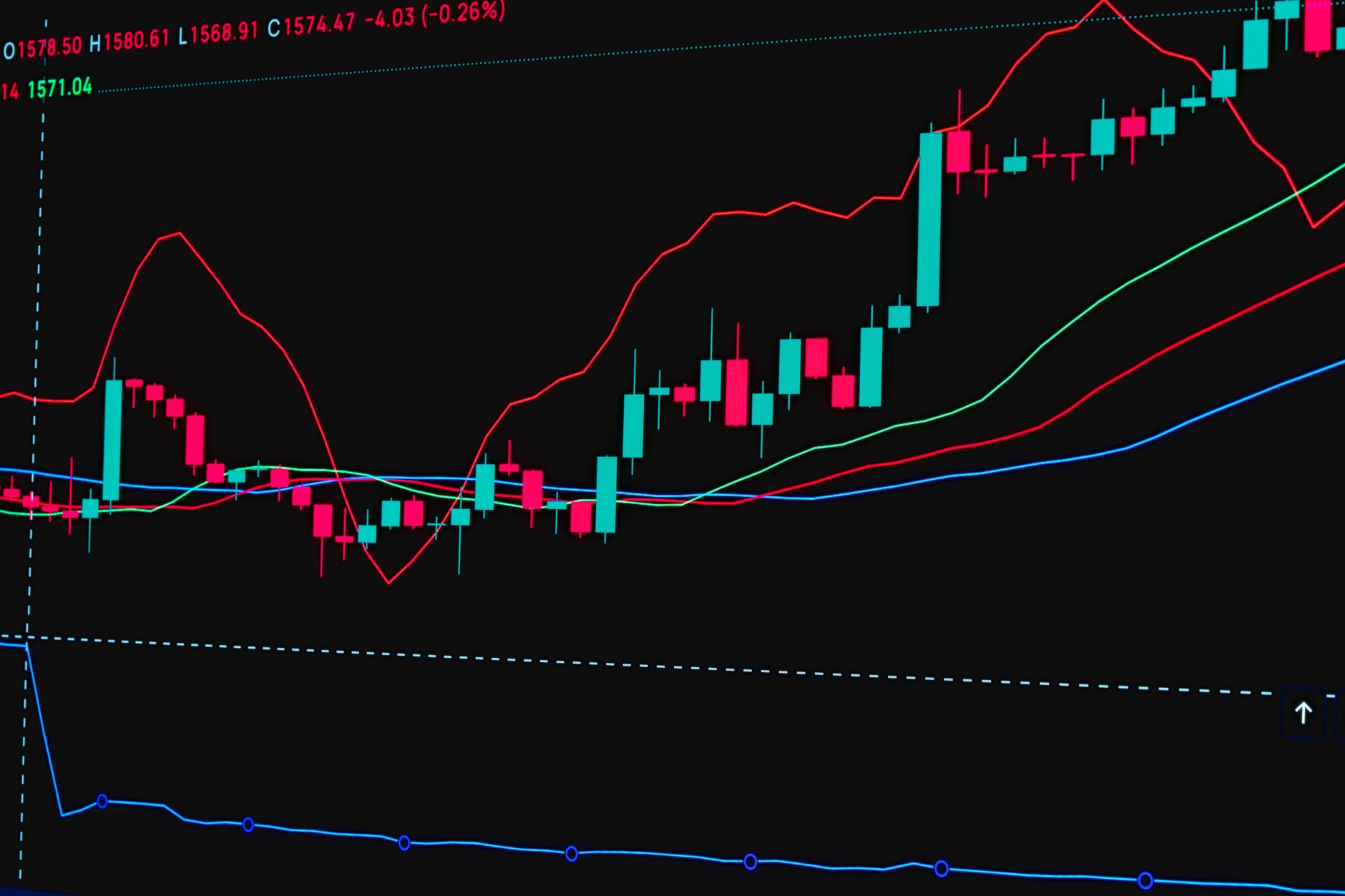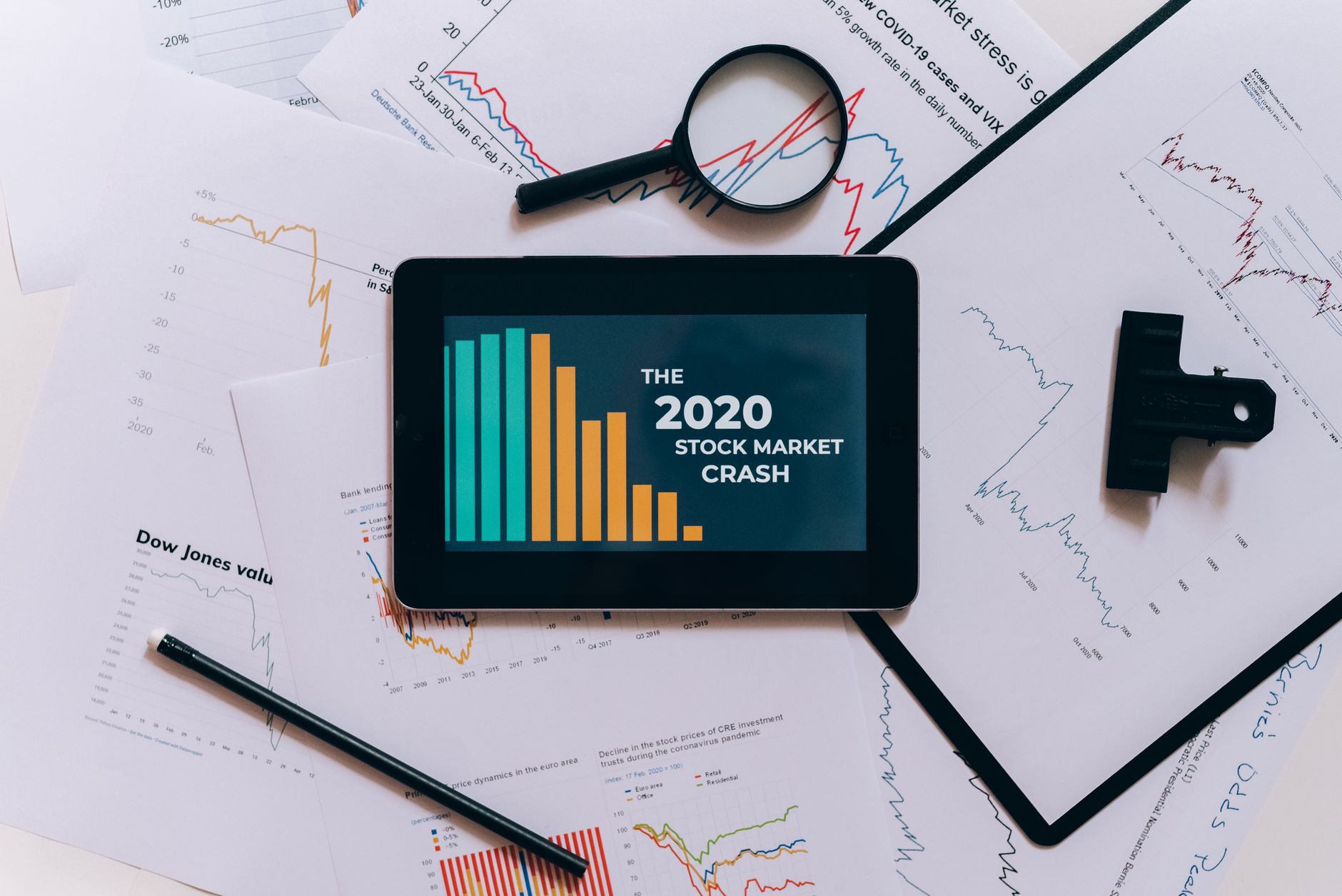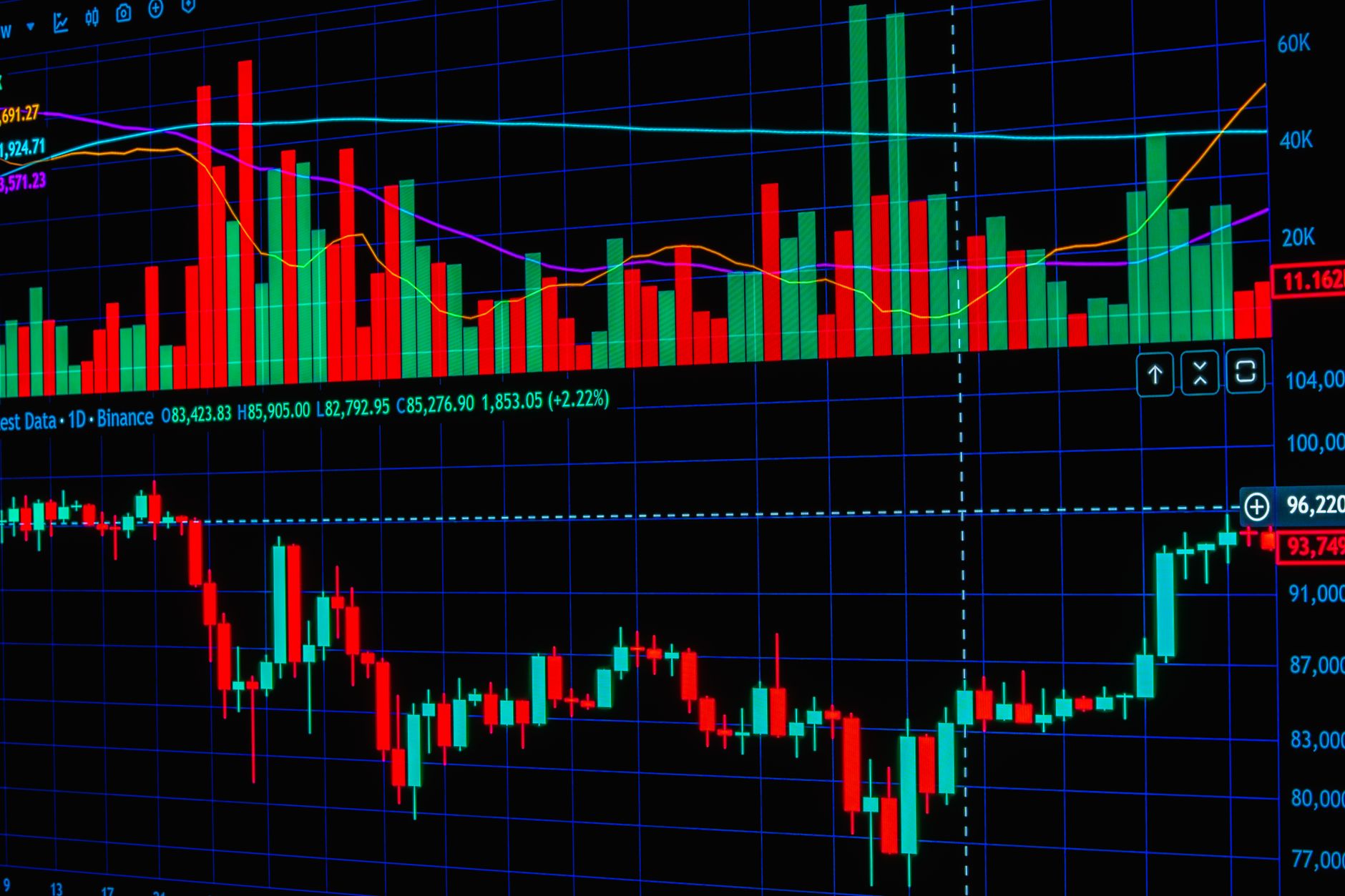

NIFTY IT slump is evident as the sector experiences a 2% decline, contrasting sharply with gains in FMCG, Consumer Durable, and PSU Bank indices.
Understanding Sectoral Rotation
Sectoral rotation is a crucial concept in the stock market, particularly evident during periods of economic shift. This strategy involves investors moving their capital from one sector to another, seeking better returns based on changing economic indicators and market conditions. Recently, the NIFTY IT slump is a prime example of this phenomenon, as technology stocks faced a decline while other sectors flourished.
During the latest trading session, the NIFTY IT index witnessed a drop of 2%, contrasting sharply with the performance of other sectors. Notably, the FMCG, Consumer Durable, and PSU Bank indices surged by up to 2%. This divergence highlights the ongoing shift in investor sentiment, as many are opting for more stable sectors that are perceived to be less vulnerable to economic fluctuations.
Several factors contribute to sectoral rotation, including changes in consumer behavior, interest rates, and overall economic health. Investors often look for sectors that can provide consistent growth, especially during uncertain times. As the market continues to evolve, understanding these dynamics becomes essential for making informed investment decisions.
In summary, the current NIFTY IT slump underscores the importance of recognizing sectoral trends and adjusting investment strategies accordingly.
NIFTY IT Slump Explained
The recent NIFTY IT slump has raised eyebrows among investors, as the index experienced a significant decline of 2%. This downturn is attributed to a broader trend known as sectoral rotation, wherein investors shift their focus from one sector to another based on market conditions and performance expectations.
In this context, the IT sector has faced considerable pressure, particularly as funds have flowed into more resilient sectors such as FMCG, Consumer Durables, and PSU Banks. These sectors have shown strong performance, with gains of up to 2%, drawing attention away from technology stocks.
The NIFTY IT slump underscores the cyclical nature of market sectors, where periods of outperformance are often followed by corrections as investors seek diversification and stability. Some analysts suggest that while current trends may favor cyclical sectors, the long-term outlook for IT remains positive due to ongoing digital transformation efforts across industries.
- Investors are advised to monitor market trends closely.
- Sector rotation can provide both risks and opportunities.
- Staying informed is key to navigating these fluctuations.
As the market evolves, understanding the dynamics behind the NIFTY IT slump will be crucial for making informed investment decisions.
FMCG and Consumer Durable Gains
The recent market dynamics have highlighted a significant shift in investor sentiment, with FMCG and Consumer Durable sectors experiencing notable gains amidst the ongoing NIFTY IT slump. This shift is part of a broader trend known as sectoral rotation, where investors move their capital from one sector to another in response to changing economic conditions and performance outlooks.
In the past trading session, FMCG and Consumer Durable indices surged by up to 2%, showcasing strong resilience and attracting bullish investors. This uptick is particularly striking given the contrasting performance of the NIFTY IT sector, which recorded a slump of 2%. The divergence in performance reflects changing consumer preferences and spending behavior as economic conditions evolve.
Several factors are propelling the gains in the FMCG and Consumer Durable sectors:
- Increased consumer spending as the economy gradually recovers.
- Robust demand for essential goods and services.
- Positive quarterly earnings reported by major companies in these sectors.
As investors closely monitor these trends, the NIFTY IT slump serves as a reminder of the volatile nature of the stock market and the importance of diversification in investment strategies.
Impact on Investors
The recent NIFTY IT slump has raised significant concerns among investors, marking one of the worst performances in the sector amid ongoing sectoral rotation. As investors shift their focus towards more resilient sectors such as FMCG and Consumer Durables, the impact on IT stocks has been pronounced.
Many investors who previously held substantial positions in IT stocks are now re-evaluating their strategies. The decline of approximately 2% in the NIFTY IT index has prompted a wave of sell-offs, as market participants seek to capitalize on the gains seen in other sectors. The following factors are influencing investor sentiment:
- Market Volatility: The slumping performance of the IT sector has created uncertainty, leading some investors to withdraw their investments.
- Reallocation of Capital: Investors are increasingly drawn to sectors that demonstrate stronger growth potential, such as FMCG and PSU Banks.
- Long-term Outlook: Concerns about the sustainability of IT sector growth have led to a cautious approach among investors.
In this shifting landscape, investors are urged to stay informed and consider diversifying their portfolios to mitigate risks associated with the ongoing NIFTY IT slump.
Market Trends to Watch
As the market continues to evolve, investors should keep a close eye on several trends that could affect their portfolios. The recent NIFTY IT slump has been a significant indicator of shifting investor sentiment, particularly as funds flow into more promising sectors such as FMCG and Consumer Durables. This sectoral rotation, where capital moves away from underperforming sectors, has led to a noticeable decline in IT stocks.
Key trends to monitor include:
- Sector Performance: Watch how the NIFTY IT index compares against other sectors in the upcoming weeks. A sustained slump could signal a longer-term shift in market dynamics.
- Market Sentiment: Investor sentiment can rapidly change; keeping an eye on news related to economic indicators and tech advancements will be crucial.
- Valuation Adjustments: With major players in the IT sector facing pressure, it’s important to assess whether current valuations reflect the true potential of these companies.
- Global Tech Trends: Trends in global technology markets can influence local indices. Monitor international market shifts that might impact the NIFTY IT performance.
Staying informed on these trends will be essential for navigating the current market landscape effectively.
Future Outlook for NIFTY IT
The future outlook for the NIFTY IT sector appears challenging in the wake of its recent slump. As the market undergoes sectoral rotation, investors are increasingly favoring sectors like FMCG and Consumer Durables, which have shown resilience and growth potential. This shift has left the NIFTY IT segment vulnerable, reflecting a clear divergence in market sentiments.
Analysts predict that the NIFTY IT slump may continue in the short term, primarily due to rising inflation and increasing interest rates, which could affect technology spending by businesses. Additionally, global economic uncertainties may further dampen investor confidence in the IT sector.
However, there are indications that the NIFTY IT sector could recover in the long run. Key factors that could influence this recovery include:
- Technological Advancements: Continuous innovation in technology may drive demand for IT services.
- Increased Digitization: Businesses are likely to invest in digital transformation, benefiting IT companies.
- Global Demand: As economies stabilize, demand for IT services may rebound.
Overall, while the NIFTY IT slump poses immediate challenges, there are potential catalysts on the horizon that could revitalize the sector.
Photo by Markus Winkler on Pexels