
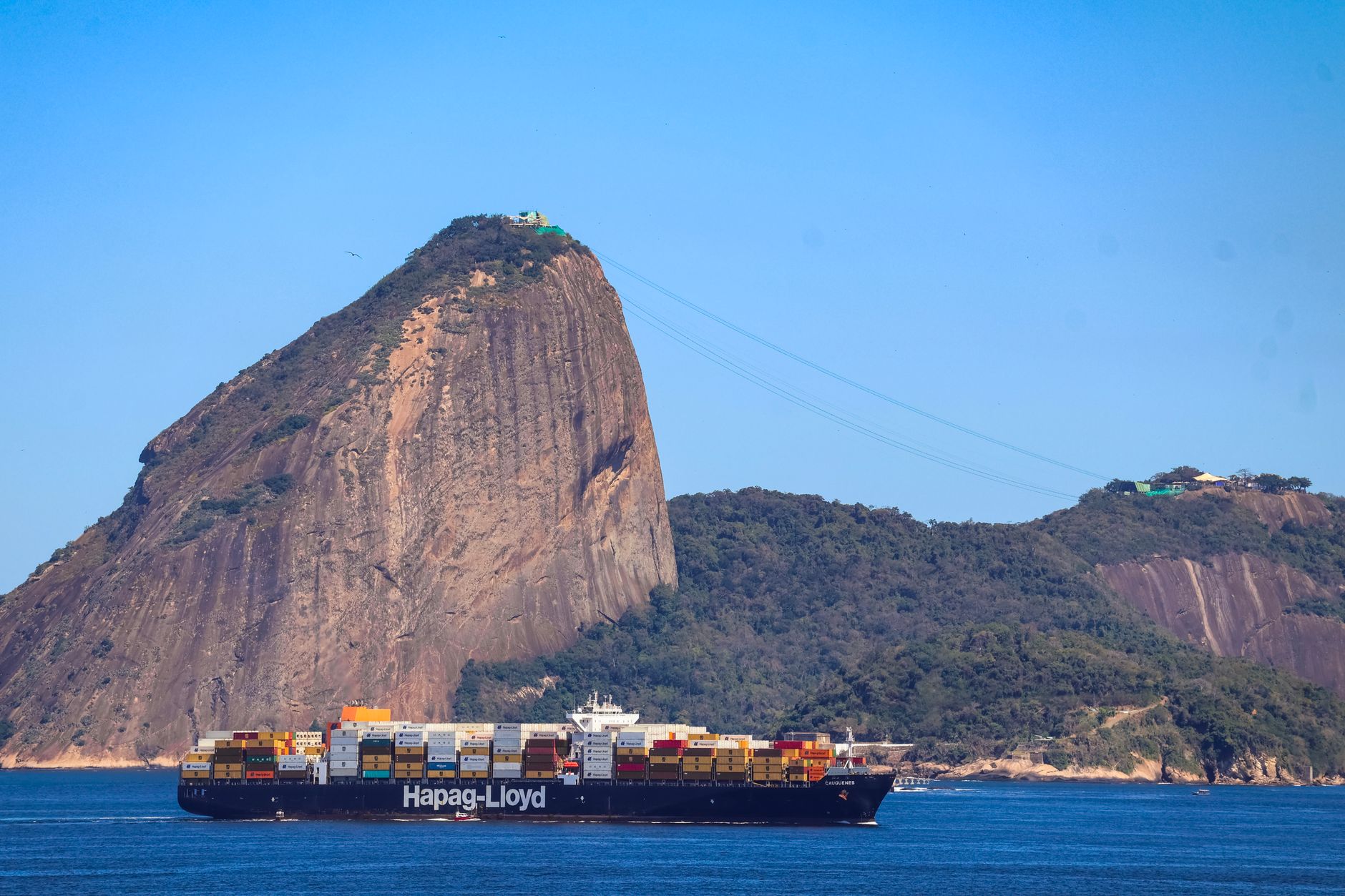
Hapag-Lloyd Brazil expansion is on the horizon as the company lays out its strategic investment plans for Latin America. This move is expected to enhance its operational capabilities in the region.
Overview of Hapag-Lloyd’s Expansion Plans
Hapag-Lloyd is set to enhance its operations in Brazil as part of its broader strategy for Latin America. The shipping giant aims to capitalize on the growing demand for logistics and transportation services in the region. As part of the Hapag-Lloyd Brazil expansion, the company plans to invest significantly in its terminal facilities, ensuring they meet the increasing needs of customers.
Key elements of the expansion plan include:
- Upgrading existing infrastructure to improve efficiency.
- Enhancing connectivity with major trade routes.
- Investing in technology to optimize operations.
By boosting its presence in Brazil, Hapag-Lloyd aims to strengthen its competitive edge in the Latin American market, positioning itself for sustained growth in the coming years.
Impact on Latin American Logistics
The recent Hapag-Lloyd Brazil expansion is set to significantly impact logistics across Latin America. By enhancing its operational capabilities in Brazil, Hapag-Lloyd aims to streamline supply chains and improve connectivity within the region.
Key aspects of this expansion include:
- Increased Capacity: The expansion will allow for more containers to be handled, reducing delays and improving turnaround times.
- Technological Advancements: Investment in modern technology will enhance tracking and management of shipments.
- Strategic Partnerships: Collaborations with local businesses will foster growth and adapt to regional demands.
Overall, Hapag-Lloyd’s efforts are likely to bolster the logistics infrastructure in Latin America, creating new opportunities for trade and commerce.
Key Benefits of the Brazil Expansion
The Hapag-Lloyd Brazil expansion presents several key benefits that are set to enhance the company’s operations and the broader logistics landscape in the region. These advantages include:
- Increased Capacity: The expansion will significantly boost shipping capacity, allowing for more efficient transportation of goods.
- Improved Connectivity: Enhanced port facilities will lead to better connectivity with major trading partners, streamlining supply chains.
- Economic Growth: By investing in Brazil, Hapag-Lloyd is contributing to local economies, creating jobs and fostering regional development.
- Environmental Sustainability: The expansion plans include initiatives aimed at reducing the carbon footprint of operations, promoting greener logistics solutions.
Overall, the Hapag-Lloyd Brazil expansion aligns with the company’s strategic vision for growth in Latin America.
Challenges Ahead for Hapag-Lloyd
As Hapag-Lloyd moves forward with its Brazil expansion, the company faces several challenges that could impact its growth strategy. Competition in the region is fierce, with established players already dominating the market. Additionally, infrastructure limitations in certain areas may hinder operational efficiency, making it more difficult to meet increasing demand.
Moreover, regulatory hurdles can pose significant obstacles, as navigating local laws and regulations is often complex and time-consuming. Hapag-Lloyd must also consider the fluctuating economic conditions in Brazil, which could affect shipping volumes and profitability.
Despite these challenges, the company’s commitment to the Brazil expansion reflects its confidence in the long-term potential of the Latin American market.
- Intense competition
- Infrastructure limitations
- Regulatory hurdles
- Economic fluctuations
Market Trends in Shipping
The shipping industry is witnessing significant transformation, driven by evolving market trends. With increased demand for freight services in Latin America, companies like Hapag-Lloyd are keenly focusing on strategic expansions. The recent push for the Hapag-Lloyd Brazil expansion aligns perfectly with this trend, as organizations seek to enhance their operational efficiencies and cater to growing consumer needs.
Several key factors are shaping the market:
- Technological Advancements: Innovations in shipping logistics are streamlining operations.
- Environmental Concerns: A shift towards sustainable practices is becoming essential for compliance.
- Consumer Expectations: The demand for faster delivery times is prompting carriers to optimize routes.
- Global Trade Dynamics: Changes in trade agreements influence shipping strategies worldwide.
These trends indicate a promising future for Hapag-Lloyd as it navigates its Brazil expansion.
Future Prospects for Hapag-Lloyd
As Hapag-Lloyd continues its strategic Brazil expansion, the company is poised to capitalize on a growing demand for efficient shipping solutions in Latin America. Analysts predict that the expansion will not only enhance operational capabilities but also establish Hapag-Lloyd as a key player in the region.
Future prospects appear promising, with several factors driving growth:
- Increased Trade Volume: Brazil’s economy is on an upward trajectory, leading to heightened import and export activities.
- Infrastructure Development: Ongoing improvements in port facilities are expected to streamline logistics.
- Technological Advancements: Adoption of innovative shipping technologies will enhance efficiency.
Overall, Hapag-Lloyd’s commitment to the Brazil expansion reflects a broader trend towards investment in Latin American logistics, setting the stage for a robust future.
The Hapag-Lloyd Brazil expansion is poised to enhance the company’s operational efficiency and service offerings in the region. By strategically investing in infrastructure, the Hapag-Lloyd Brazil expansion aims to meet the growing demand for logistics solutions in South America.
Photo by Renata Meneses on Pexels