
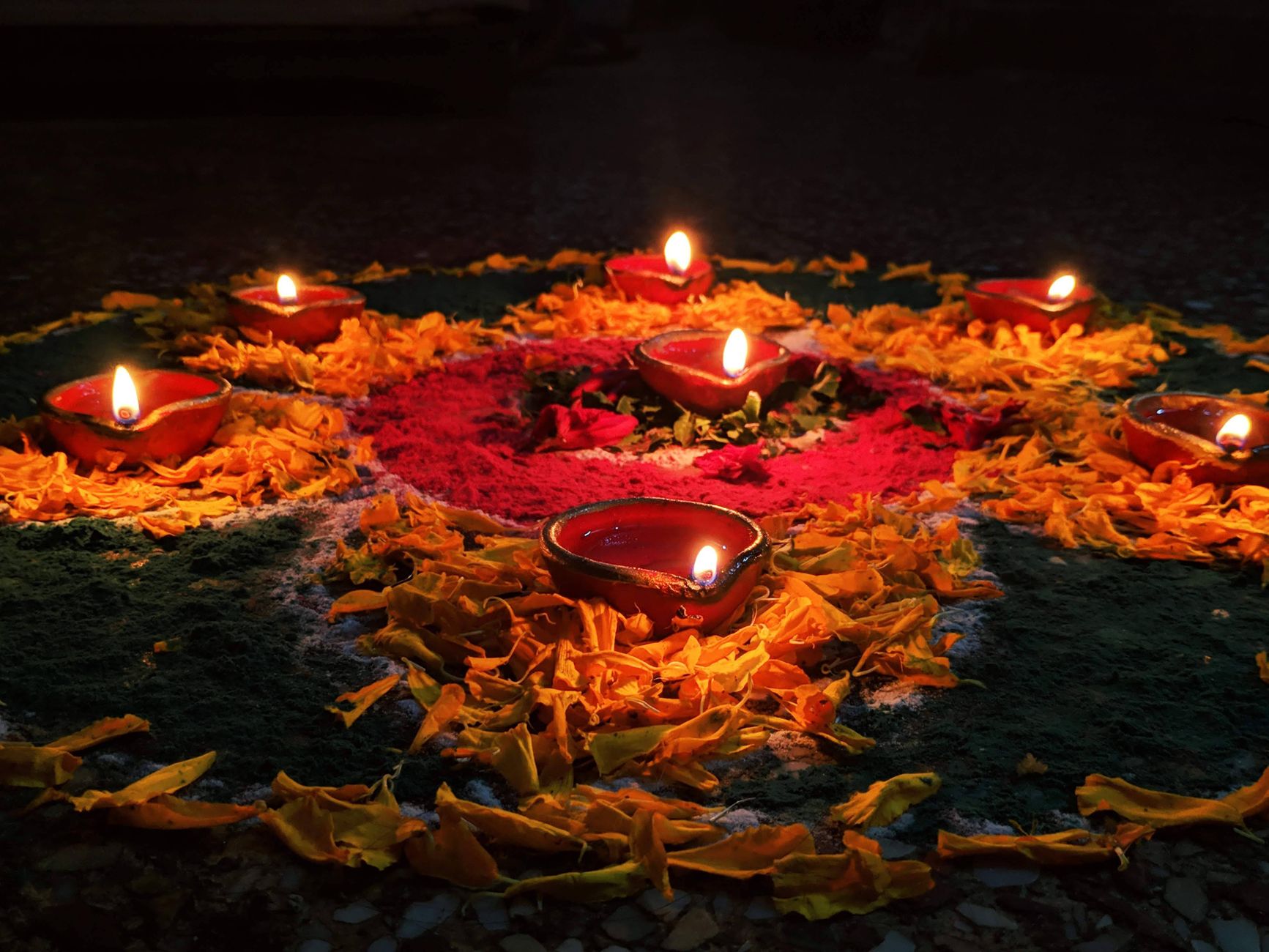
Delhi AQI Diwali 2026 has alarmingly hit 9,000 on the Indian scale, indicating the worst air quality experienced among six major metros. This situation raises serious concerns for residents and visitors alike.
Understanding AQI Levels
The Air Quality Index (AQI) is a standardized measure used to communicate how polluted the air currently is or how polluted it is forecast to become. In the context of Delhi AQI Diwali 2026, understanding these levels is crucial for public health and safety.
According to the AQI scale, levels are categorized as follows:
- 0-50: Good – Air quality is considered satisfactory, and air pollution poses little or no risk.
- 51-100: Moderate – Air quality is acceptable; however, there may be a concern for some people who are unusually sensitive to air pollution.
- 101-200: Unhealthy for Sensitive Groups – Members of sensitive groups may experience health effects, but the general public is less likely to be affected.
- 201-300: Unhealthy – Everyone may begin to experience health effects; members of sensitive groups may experience more serious health effects.
- 301-500: Very Unhealthy – Health alert; everyone may experience more serious health effects.
- 500+: Hazardous – Health warnings of emergency conditions. The entire population is more likely to be affected.
This year, the alarming AQI levels during Diwali have raised significant concerns among health officials and residents alike.
Impact of Diwali on Air Quality
The festive celebrations of Diwali are known for their vibrant displays of lights and fireworks, but the impact of these festivities on air quality cannot be overlooked. In 2026, the air quality index (AQI) in Delhi reached alarming levels, recording a staggering 9,000 on the Indian scale. This spike is significantly higher than the AQI levels recorded during previous years, raising concerns among health experts and environmentalists.
As residents lit fireworks to celebrate the festival, the resultant emissions contributed to a thick blanket of pollution, severely affecting the city’s air quality. The combination of firecracker smoke and pre-existing pollution levels resulted in a hazardous environment, prompting warnings from authorities.
Several studies indicate that spikes in AQI are particularly detrimental during festive seasons. The repercussions of such high readings on public health can be severe, including:
- Respiratory issues exacerbated by poor air quality.
- Increased hospital visits related to pollution-related ailments.
- Long-term health effects on vulnerable populations such as children and the elderly.
The situation during Delhi AQI Diwali 2026 serves as a stark reminder of the need for sustainable celebration practices.
Health Risks Associated with Poor Air Quality
The alarming rise in Delhi’s AQI during Diwali 2026 has raised significant health concerns among residents. With levels reaching an unprecedented 9,000 on the Indian scale, the potential health risks associated with such poor air quality cannot be overstated.
Exposure to high levels of air pollution can lead to a variety of serious health issues, including:
- Respiratory Problems: Individuals with asthma or chronic obstructive pulmonary disease (COPD) may experience exacerbated symptoms and increased hospital visits.
- Cardiovascular Diseases: Prolonged exposure to polluted air can elevate the risk of heart attacks and strokes.
- Decreased Immune Function: Poor air quality can weaken the immune system, making individuals more susceptible to infections.
- Neurological Effects: Studies link high AQI levels to cognitive decline and mental health issues.
As Delhi grapples with the consequences of Diwali celebrations, it is crucial for residents to take precautions to safeguard their health amidst the deteriorating air quality.
Comparative Analysis of Major Metros
In a striking comparison of air quality among India’s major metropolitan areas during Diwali 2026, Delhi recorded an alarming AQI level that surpassed all others. The city’s AQI hit an unprecedented 9,000 on the Indian scale, marking a significant deterioration in air quality. This figure is not only the highest in Delhi’s history but also highlights a worrying trend as other metros reported relatively lower levels.
Key findings from the analysis include:
- Mumbai: Recorded an AQI of 450, primarily due to vehicular emissions and construction dust.
- Bengaluru: Had an AQI of 350, affected by fireworks and urban pollution.
- Kolkata: Saw an AQI of 400, largely influenced by post-Diwali burning of waste.
- Chennai: Reported an AQI of 300, with seasonal variations contributing to pollution levels.
- Hyderabad: Recorded an AQI of 290, which is less severe but still concerning.
This comparative analysis underscores the severity of Delhi’s AQI during Diwali 2026, emphasizing the urgent need for effective pollution control measures.
Government Response to Air Pollution
In response to the alarming air quality levels during Diwali 2026, the Delhi government has implemented a series of emergency measures aimed at mitigating the severe pollution crisis. With the AQI soaring to an unprecedented 9,000, the authorities are facing immense pressure to address the health risks associated with such poor air quality.
Key actions taken by the government include:
- Ban on Firecrackers: A strict ban on the sale and use of firecrackers has been enforced, aiming to reduce further emissions during the festival.
- Increased Monitoring: The government has ramped up air quality monitoring across the city, deploying additional sensors to provide real-time data to residents.
- Public Awareness Campaigns: Initiatives to educate citizens about the dangers of high AQI levels and ways to minimize exposure are being rolled out.
- Collaboration with NGOs: Partnerships with non-governmental organizations are being formed to promote sustainable celebrations during Diwali.
Despite these efforts, Delhi’s AQI during Diwali 2026 serves as a stark reminder of the ongoing struggle to combat air pollution in the capital.
Tips for Staying Safe During Diwali
As Delhi experiences its worst air quality during Diwali 2026, with AQI levels hitting a staggering 9,000, it is crucial for residents to take precautions to ensure their safety and well-being. Here are some essential tips for staying safe during this festive period:
- Stay Indoors: Limit outdoor activities, especially during the evening when pollution levels peak.
- Use Air Purifiers: Invest in good quality air purifiers to help reduce indoor air pollution.
- Wear Masks: If you must go outside, wearing an N95 or similar mask can help filter out harmful particles.
- Keep Windows Closed: Seal windows and doors to prevent polluted air from entering your home.
- Stay Hydrated: Drink plenty of water to help your body cope with air pollution and support respiratory health.
- Avoid Physical Exertion: Refrain from strenuous activities outdoors when the air quality is poor.
By following these tips, residents can better navigate the challenges posed by the alarming Delhi AQI during Diwali 2026.
Future Predictions for Delhi’s Air Quality
As Delhi approaches Diwali 2026, alarming predictions suggest that the city may face unprecedented levels of air pollution. Experts forecast a significant spike in the AQI as festivities commence, potentially reaching dangerously high levels similar to the reported 9,000 on the Indian scale.
The convergence of firecrackers, vehicular emissions, and weather conditions is expected to exacerbate the already critical situation. Meteorological patterns indicate that stagnant air may trap pollutants in the atmosphere, leading to further deterioration of Delhi’s AQI during Diwali 2026.
Residents are advised to remain vigilant and monitor air quality updates closely. Health authorities are emphasizing the importance of staying indoors, especially during peak pollution hours. This situation underscores the need for stricter regulations regarding firecracker use and a more robust response to air quality management.
- Increased public awareness campaigns
- Enhanced monitoring of pollution levels
- Stricter enforcement of pollution control measures
The alarming levels of pollution during the festival have raised concerns among health experts, particularly in relation to the Delhi AQI Diwali 2026. Many residents are now calling for stricter regulations on firecrackers to mitigate the impact of the Delhi AQI Diwali 2026 on public health.
Photo by Balaji J on Pexels