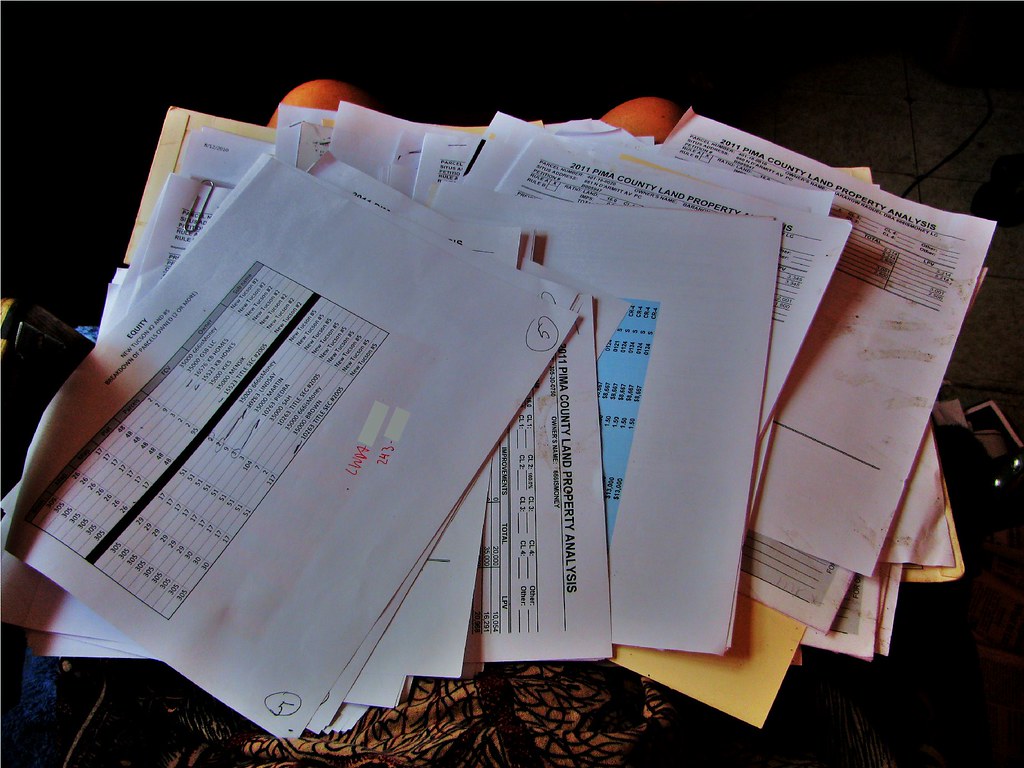

tax return mistakes can significantly impact your refund. Understanding these common errors is crucial for taxpayers looking to maximize their returns and avoid financial setbacks.
Understanding IRS Rules
Understanding the nuances of IRS rules is crucial for taxpayers aiming to maximize their refunds. Many individuals unknowingly make tax return mistakes that can lead to smaller refunds or even penalties. Familiarizing oneself with these regulations can help mitigate errors that affect tax outcomes.
Common errors include:
- Incorrect filing status: Choosing the wrong category can significantly impact your tax liabilities.
- Omitting income: Failing to report all sources of income can trigger audits and penalties.
- Mathematical errors: Simple calculation mistakes can lead to inaccurate returns and delayed refunds.
- Missing deadlines: Filing late can result in penalties and reduced refunds.
By carefully reviewing IRS guidelines and seeking assistance if needed, taxpayers can avoid these pitfalls and ensure their returns are accurate.
Common Tax Return Errors
Filing your tax return can be a daunting task, and making mistakes can lead to smaller refunds or even penalties. Here are some common tax return errors to watch out for:
- Incorrect Personal Information: Ensure that your name, Social Security number, and filing status are accurate.
- Math Errors: Double-check your calculations. Simple addition or subtraction mistakes can lead to significant discrepancies.
- Missing Income: Failing to report all sources of income, including freelance work or interest from bank accounts, can trigger audits.
- Overlooking Deductions and Credits: Familiarize yourself with available deductions and credits to maximize your return.
- Filing Late: Timely submission is crucial. Late filings can result in fines and lost refunds.
By avoiding these common tax return mistakes, you can ensure a smoother filing experience and potentially larger refunds.
How Mistakes Affect Refunds
Tax return mistakes can significantly impact the size of your refund. Even minor errors can lead to delays or reductions in the amount you receive. When taxpayers fail to accurately report income or claim eligible deductions, they risk leaving money on the table.
Some common mistakes include:
- Incorrectly entering Social Security numbers
- Failing to sign the return
- Omitting income from side jobs
- Claiming ineligible deductions or credits
These oversights not only complicate the filing process but can also lead to audits or penalties. Understanding how these tax return mistakes affect refunds is crucial for maximizing your return. By double-checking your information and ensuring accuracy, you can avoid unnecessary complications and secure a larger refund.
Tips to Maximize Your Refund
To maximize your refund and avoid tax return mistakes, consider implementing the following tips:
- Double-check your information: Ensure that all names, Social Security numbers, and financial details are accurate. Simple typos can delay processing and affect your refund.
- Utilize tax software or professional help: Investing in reputable tax software or consulting with a tax professional can help identify potential errors and maximize deductions.
- Keep comprehensive records: Maintain organized documentation for deductions, credits, and income sources. This will help substantiate your claims in case of an audit.
- File on time: Meeting deadlines is crucial. Late filings can lead to penalties and interest, reducing your overall refund.
- Review your returns: Before submission, take the time to review your tax return for any overlooked mistakes that could impact your refund.
By following these guidelines, you can significantly reduce the likelihood of tax return mistakes and ensure a larger refund.
Avoiding Tax Pitfalls
When filing your taxes, it’s crucial to be aware of common tax return mistakes that could lead to smaller refunds. Many taxpayers overlook simple errors that can significantly impact their financial outcomes.
Here are some tips for avoiding tax pitfalls:
- Double-check your personal information: Ensure that your name, Social Security number, and address are accurate to avoid delays.
- Review your deductions: Familiarize yourself with eligible deductions and credits to maximize your tax return.
- Use reliable software or professionals: Consider investing in reputable tax software or hiring a tax professional to minimize errors.
- File electronically: E-filing can reduce mistakes and expedite the processing of your return.
- Keep records: Maintain documentation of income and expenses to support your claims in case of an audit.
By taking these steps, you can avoid common tax return mistakes and enhance your chance for a larger refund.
Photo by Towfiqu barbhuiya on Pexels