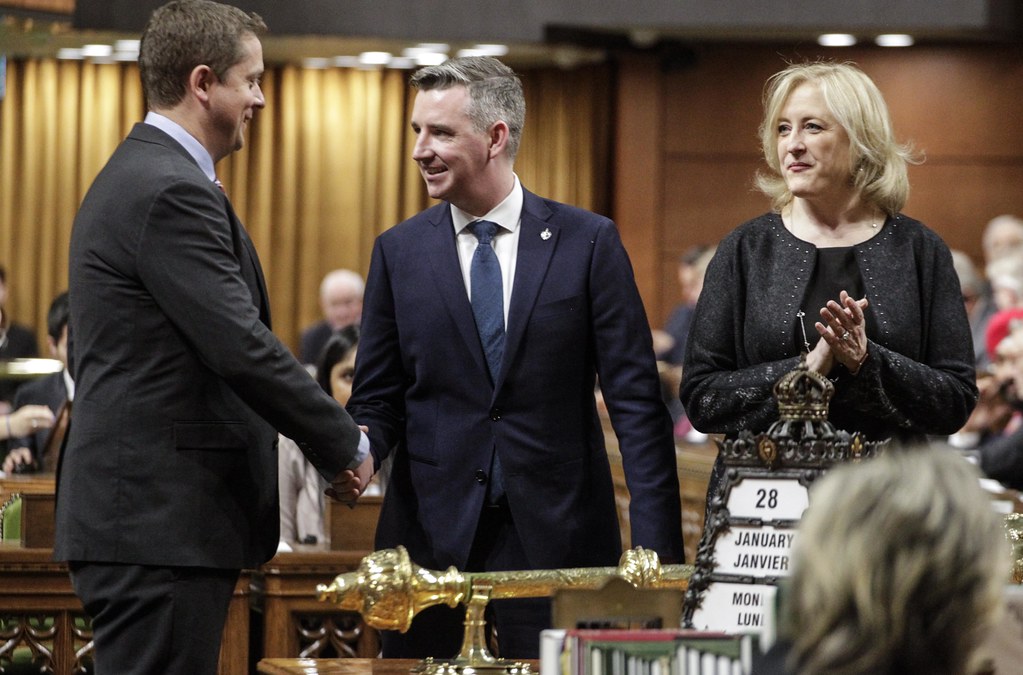

Tax breaks for children are essential for families seeking financial support. Recent discussions among MPs highlight the importance of these breaks for enhancing family budgets.
Overview of Recent Tax Break Proposals
In recent discussions among Members of Parliament, the focus has shifted towards the introduction of enhanced tax breaks for children and individuals with disabilities. These proposals aim to alleviate financial burdens on families and provide much-needed support to vulnerable groups within society.
The proposed tax breaks are designed to offer significant relief to families, allowing them to allocate more resources towards essential needs such as education, healthcare, and childcare. By reducing the overall tax liability, families would have increased financial flexibility, ultimately contributing to their economic stability.
Key points of the recent proposals include:
- Increased child tax credits to help families cover the costs of raising children.
- Additional deductions for families with dependents who have disabilities, ensuring that they receive adequate support.
- Provisions for direct financial assistance to lower-income families, aimed at reducing child poverty rates.
As lawmakers continue to debate these initiatives, many advocates emphasize the long-term benefits of investing in families through tax breaks for children, arguing that a stronger financial foundation will lead to improved outcomes for future generations.
Impact on Families with Children
The recent discussions surrounding tax breaks for children have highlighted their significant impact on families across the country. These financial incentives provide much-needed relief, especially for households facing economic challenges. By alleviating some of the financial burdens of raising children, these breaks can lead to improved quality of life and stability.
Families that benefit from these tax breaks often experience a range of positive outcomes, including:
- Increased disposable income: Tax breaks allow families to retain more of their earnings, enabling them to invest in essential needs such as education and healthcare.
- Encouragement of child-related expenses: With the support of tax credits, parents are more likely to spend on extracurricular activities and educational resources, fostering their children’s development.
- Reduction in financial stress: By easing the financial pressure, families can enjoy a better work-life balance and improved mental health.
As lawmakers consider extending these benefits, the potential for a more equitable financial landscape for families with children remains a critical topic of conversation.
Support for People with Disabilities
In addition to the financial relief provided to families with children, recent tax breaks for children also extend support to households with members who have disabilities. These tax incentives are designed to alleviate the financial burden faced by families who often incur additional expenses related to caregiving and special needs services.
According to experts, the integration of these tax breaks into broader financial support programs can significantly improve the quality of life for families. Key benefits include:
- Increased Accessibility: Families can afford necessary adaptations to their homes, such as wheelchair ramps or specialized equipment.
- Enhanced Educational Opportunities: Tax breaks can help cover costs for tutoring, therapy, or special education resources that may not be funded by other means.
- Reduced Financial Stress: By easing the costs associated with raising a child with disabilities, families can focus more on providing care and support.
As MPs continue to advocate for these tax breaks for children and people with disabilities, the potential for positive change in countless families is becoming increasingly apparent. Such measures are not just fiscal benefits; they represent a commitment to inclusive support for all members of society.
How to Apply for Tax Breaks
Applying for tax breaks for children can be a straightforward process if you follow a few essential steps. First, gather all necessary documentation to support your application, including proof of your child’s age, educational expenses, and any childcare costs that may qualify.
Next, you will need to determine which specific tax breaks you are eligible for. Some common options include:
- Child Tax Credit: This credit can significantly reduce your tax bill for dependent children under 17.
- Dependent Care Credit: This credit is available for families that incur expenses for the care of children while parents work or look for work.
- Education Credits: If you are incurring expenses for your child’s education, you may qualify for tax credits related to tuition and related fees.
Once you have identified the relevant tax breaks for children, you can fill out the appropriate forms, typically found on the official tax agency’s website. Pay close attention to deadlines to ensure your application is submitted on time. Consulting with a tax professional can also help maximize your benefits and ensure compliance with all requirements.
Expert Opinions on Tax Policy Changes
In light of recent discussions surrounding tax breaks for children, experts have weighed in on the potential benefits these policies could bring to families. Dr. Emily Johnson, an economist specializing in family financial health, emphasizes that such tax incentives can significantly alleviate financial burdens for parents. “These breaks not only provide immediate relief but also encourage long-term investment in children’s education and well-being,” she explains.
Furthermore, Professor Mark Thompson from the National Policy Institute highlights that expanding tax breaks for children can stimulate local economies. “When families have more disposable income, they are likely to spend it within their communities, thus promoting economic growth,” he states.
On the other hand, some policymakers urge caution. Senator Lisa Green points out potential pitfalls, noting, “While the intention is commendable, we must ensure that these tax breaks are effectively targeted to those who need them most.” This sentiment reflects a growing concern about equitable access to benefits, ensuring that all families, regardless of income level, can reap the rewards of such tax policy changes.
As discussions continue, the consensus among experts remains clear: thoughtful implementation of tax breaks for children could yield significant advantages for families and society as a whole.
Future of Tax Breaks in Government Plans
The future of tax breaks for children is a topic that has gained significant attention in recent government plans. As MPs discuss various proposals, the emphasis on supporting families has become increasingly evident. These tax breaks are not only aimed at alleviating financial burdens but also at promoting child welfare and development.
Several potential changes have been proposed, which may include:
- Increased deductions: Families could see larger tax deductions directly related to the expenses incurred while raising children.
- Expanded eligibility: More families, including those with varying income levels, may qualify for these benefits, ensuring that support reaches a broader audience.
- Additional credits: New credits aimed at specific needs, such as education or healthcare, could further enhance the financial support available for families.
As discussions progress, it’s clear that the government recognizes the importance of tax breaks for children as a vital tool in fostering healthy family environments. With ongoing debates in Parliament, parents and guardians remain hopeful for positive changes that will ease their financial responsibilities and contribute to their children’s futures.
Community Reactions to Proposed Changes
As discussions around tax breaks for children gain momentum, community reactions have been mixed. Many families express hope that proposed changes will alleviate financial burdens, particularly in light of rising living costs.
Several parents shared their opinions during local town hall meetings:
- Maria Gonzalez, a mother of three, stated, “These tax breaks for children could make a real difference in our household budget, allowing us to invest in education and extracurricular activities.”
- James Lee, a single father, noted, “I work multiple jobs to support my kids. Any additional tax relief would help me provide better for them.”
- Susan Patel, a community leader, emphasized, “Supporting families with children through tax breaks is essential for fostering a thriving community.”
Conversely, some citizens remain skeptical. Critics argue that while tax breaks can offer immediate financial relief, they may not address the root causes of economic challenges faced by families.
As the debate continues, many are looking to policymakers to balance the needs of families with children and broader economic considerations.
By ComparingQuantities via Openverse