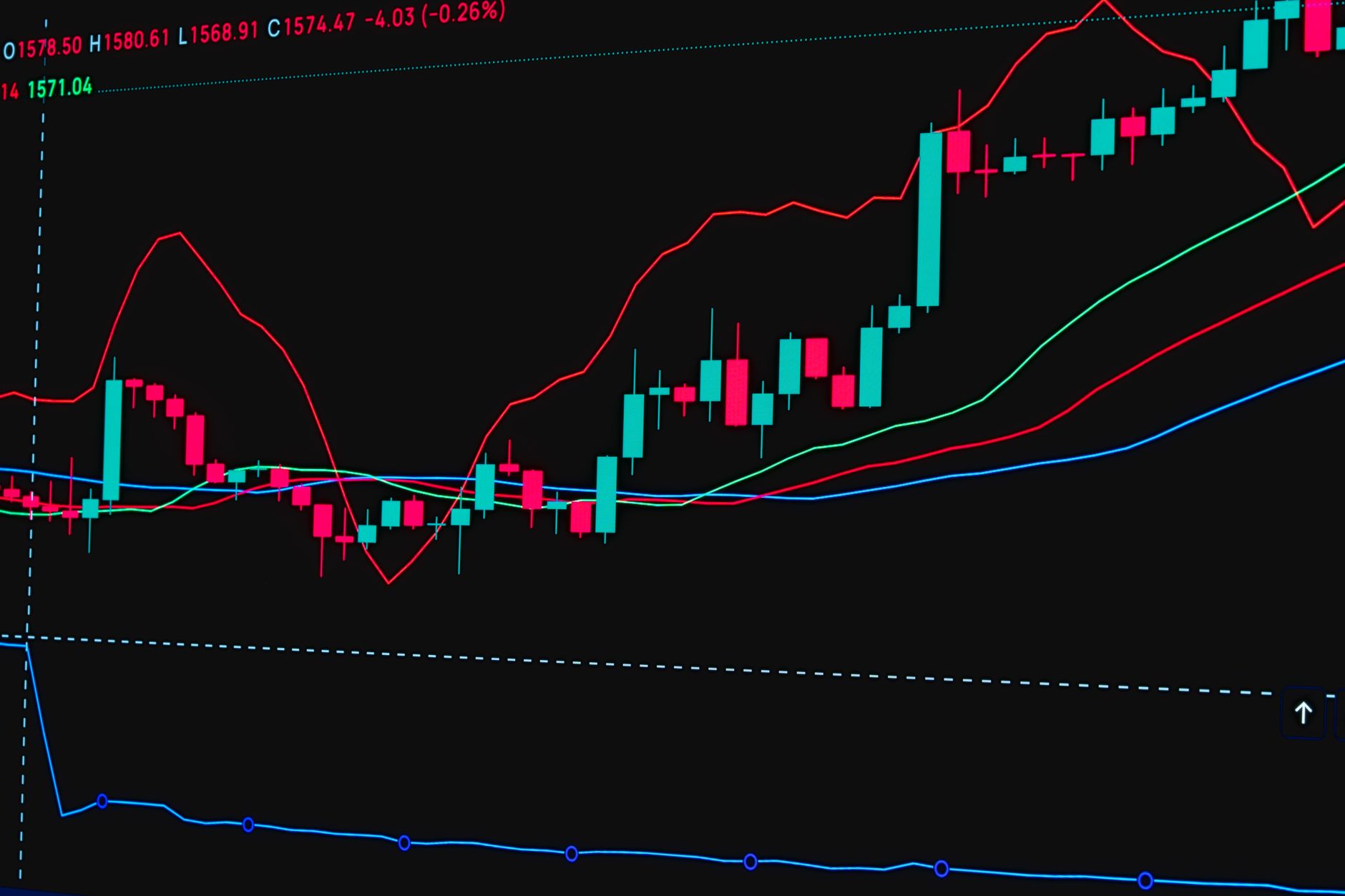
Nifty Auto dip is raising questions among investors. After a five-month winning streak, many are wondering if now is the right time to buy auto and auto ancillary stocks.
Understanding Nifty Auto’s Performance
The Nifty Auto index has recently displayed a notable dip, marking the end of a robust five-month winning streak. This shift has raised questions among investors regarding the future trajectory of the sector. Understanding the underlying factors is essential for making informed decisions.
Several key elements contribute to the current performance of Nifty Auto:
- Market Sentiment: The overall market sentiment has shifted, with concerns about economic growth impacting investor confidence.
- Raw Material Prices: Fluctuations in raw material costs have put pressure on profit margins, leading to cautious outlooks from analysts.
- Policy Changes: Recent governmental policies may affect the automotive sector’s growth, influencing company revenues and stock performance.
- Consumer Demand: A slowdown in consumer demand, particularly in the electric vehicle segment, has contributed to the recent Nifty Auto dip.
Investors should assess whether this dip presents a buying opportunity or if it signals deeper challenges ahead. With many leading companies in the Nifty Auto index having strong fundamentals, the current situation warrants careful consideration before making investment decisions.
Factors Influencing Auto Stocks
The recent Nifty Auto dip has raised questions among investors about the potential for gains in the sector. Several factors are currently influencing auto stocks, which may guide decisions on whether to buy at this moment.
- Economic Indicators: Economic growth rates, interest rates, and inflation play a crucial role in consumer spending. A slowdown can negatively affect auto sales.
- Supply Chain Issues: Ongoing challenges in the supply chain, particularly with semiconductor shortages, continue to hamper production levels. These constraints can impact stock performance.
- Government Policies: Initiatives such as incentives for electric vehicles and regulations affecting emissions can reshape market dynamics and investment strategies.
- Market Sentiment: Investor sentiment, driven by market news and overall economic conditions, can lead to volatility in stock prices, including those in the auto sector.
- Global Trends: Global trends, especially in major markets like the US and China, can have a significant impact on domestic auto manufacturers.
As investors weigh these factors, the Nifty Auto dip may present opportunities, but careful consideration is essential before making any purchasing decisions.
Should You Buy the Dip?
As the Nifty Auto dip raises questions among investors, many are contemplating whether this is a strategic buying opportunity. Market analysts suggest that while some investors may panic during downturns, history has shown that dips can often be a signal for potential growth. With Nifty Auto’s recent performance, understanding the context of this dip is crucial.
Several factors could influence the decision to invest right now:
- Market Sentiment: Current market sentiment can sway investor confidence. A negative outlook may lead to further declines, while signs of recovery can prompt buying.
- Valuation Metrics: Evaluating the price-to-earnings ratio and other metrics can help determine if auto stocks are undervalued during this Nifty Auto dip.
- Long-Term Growth Potential: Investors should consider the long-term growth potential of the auto sector, particularly with advancements in electric vehicles and sustainability initiatives.
- Economic Indicators: Monitoring economic indicators, such as interest rates and consumer spending, will provide insights into the auto market’s recovery trajectory.
Ultimately, whether to buy the dip depends on individual risk tolerance and investment strategy. Careful analysis is advised before making any decisions.
Expert Opinions on Auto Stocks
As the Nifty Auto dip raises questions among investors, experts are weighing in on the current state of auto stocks. Many analysts believe that this pullback could present a valuable opportunity for those looking to enter the market. According to Rajesh Kumar, a senior market analyst, “The recent decline in auto stocks is largely due to profit booking after a stellar five-month rally. This dip should be viewed as a potential buying opportunity.”
Moreover, industry insiders emphasize the resilience of the auto sector, citing several positive indicators. Factors such as:
- Increased demand for electric vehicles
- Government incentives for manufacturers
- Improving supply chain conditions
are expected to support a rebound in auto stocks. Additionally, Priya Sharma, a financial advisor, stated, “Investors should focus on companies with strong fundamentals and innovative products, as they are likely to outperform once the market stabilizes.”
In conclusion, while the Nifty Auto dip may cause concern, expert opinions suggest that it could be a strategic time to invest, provided investors do their due diligence.
Market Analysis for Investors
The recent Nifty Auto dip has raised questions among investors regarding the right timing for potential investments. As the sector appears to be on the verge of ending a five-month winning streak, many are analyzing the market dynamics that could influence future performance.
Investors should pay close attention to several key factors:
- Market Sentiment: The overall sentiment in the stock market can significantly affect auto stocks. A bearish trend could further impact prices.
- Economic Indicators: Indicators such as inflation rates and interest rates can influence consumer spending on automobiles, affecting company earnings.
- Supply Chain Issues: Ongoing supply chain disruptions have the potential to impact production rates and sales, particularly for electric vehicles and new models.
- Regulatory Changes: Changes in governmental policies regarding emissions and electric vehicle incentives could reshape the market landscape.
Ultimately, investors looking at the Nifty Auto dip must weigh these factors carefully. While price corrections can offer attractive buying opportunities, understanding the broader market context is crucial for making informed decisions.
Future Predictions for Nifty Auto
As the Nifty Auto dip unfolds, analysts are closely monitoring future predictions for the sector. Many experts believe that the recent downturn may provide a buying opportunity for investors willing to take a calculated risk. However, several factors could influence the trajectory of auto stocks in the upcoming months.
Firstly, the recovery in consumer demand post-pandemic is expected to play a crucial role. With the festive season approaching, there is a possibility of increased sales, which could lead to a rebound in stock prices. Additionally, advancements in electric vehicles (EVs) and government incentives may drive growth in the sector.
Moreover, supply chain disruptions, particularly in semiconductor availability, remain a significant concern. If these issues persist, they could impact production and sales figures adversely. Investors should also keep an eye on global oil prices, as fluctuations can affect vehicle sales, especially in the traditional fuel segment.
In conclusion, while the Nifty Auto dip may seem daunting, the potential for recovery exists if key economic indicators align favorably. Investors must weigh these factors carefully before making decisions, as the auto sector has shown resilience in the past.
Risks of Investing in Auto Sector
Investing in the auto sector can be a lucrative opportunity, but it also comes with its share of risks. As the Nifty Auto dip suggests, market fluctuations can significantly impact stock prices, leading to potential losses for investors.
Some key risks to consider include:
- Economic Downturns: The auto industry is highly sensitive to economic conditions. A recession can lead to decreased consumer spending, affecting sales.
- Supply Chain Disruptions: Global events, such as pandemics or geopolitical tensions, can disrupt supply chains, causing production delays and increased costs.
- Technological Changes: The shift towards electric vehicles and other technologies requires significant investment. Companies that fail to adapt may fall behind.
- Regulatory Challenges: Changes in government policies regarding emissions and safety standards can impact manufacturing processes and profitability.
- Market Competition: The auto sector is highly competitive, with numerous players vying for market share. This competition can drive prices down, affecting margins.
While the Nifty Auto dip may present buying opportunities, investors should weigh these risks carefully before making decisions.
Conclusion: Is It Time to Invest?
As the Nifty Auto dip raises questions among investors, it’s essential to weigh the potential benefits against the inherent risks. The recent downturn, breaking a five-month winning streak, may present a unique buying opportunity for those looking to enter the market or enhance their portfolios.
Investors should consider several key factors before making decisions:
- Market Sentiment: The overall market mood can influence auto stocks significantly. A positive shift in sentiment may bolster recovery.
- Long-term Potential: Evaluating the long-term growth potential of auto companies is crucial. Companies with strong fundamentals and innovation are likely to recover faster.
- Economic Indicators: Monitoring economic trends, such as interest rates and consumer spending, can provide insights into the auto sector’s future performance.
- Diversification: Investing in a mix of assets can mitigate risks associated with a specific sector.
In conclusion, while the Nifty Auto dip may entice investors, it is vital to perform thorough research and consider personal financial goals. Is it the right time to invest? Each investor must assess their risk tolerance and market outlook before making a commitment.
Photo by Sümeyye Candan on Pexels